 League of Legends
Most players who buy an LoL elo boost aren’t lazy. They’re burned out, short on time, or stuck watching their duo lock Skarner top for the fifth game straight. I’ve worked the customer side of boosting for two years, and the reasons haven’t really changed, just the framing got more honest.
Last updated: April 14, 2026, patch 26.7 (patch 26.8 drops tomorrow per the LoL Wiki 2026 patch cycle.)
Why buy an LoL elo boost in 2026?
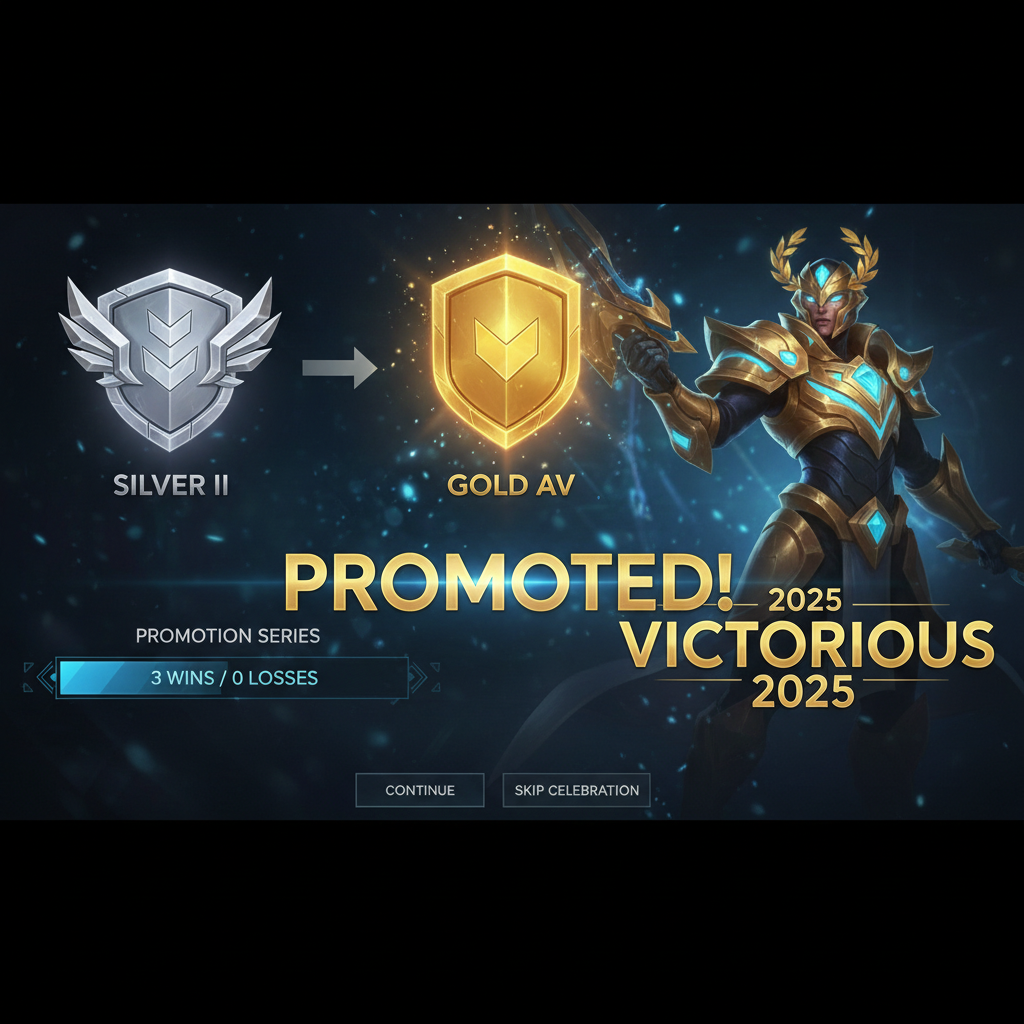
Players buy an LoL elo boost in 2026 for four reasons: saving time on the grind, escaping ranks where teammates feed, chasing the end-of-split Victorious skin, and learning from a Challenger in duo queue. Every other justification is a variant of those four. Price, risk, and ToS violation are the tradeoffs.
I’ve asked maybe 40 customers directly. The answers cluster. One guy pulled 60-hour weeks as an ER nurse and hadn’t had three clean hours for a solo queue session since late 2024. Another wanted Gold for the first time since Season 4. Different lives, same wall.
Is elo boosting worth it in Season 16?
Depends on what you want. If the goal is the Victorious skin, a Silver-to-Gold push at current MMR rates runs roughly 12-18 wins for a booster, so you’ll pay for a weekend of someone else’s time. If the goal is to actually play better, a solo boost doesn’t help. You land in Plat 4 and start hemorrhaging LP by game three.
I bought a tiny Bronze-to-Silver push back in 2023 for about $20. My MMR caught up inside five games of my next solo session. Lesson learned.
The honest math works like this:
- Want rank for rewards → solo boost is the cheapest path.
- Want to climb and keep the rank → duo with a coach, not a straight boost.
- Want to skip placements on a new account → a fresh LoL smurf account makes more sense than paying to boost a rusty main.
What are the real risks of buying a boost?
Three. Account suspension, account theft, and skill mismatch.
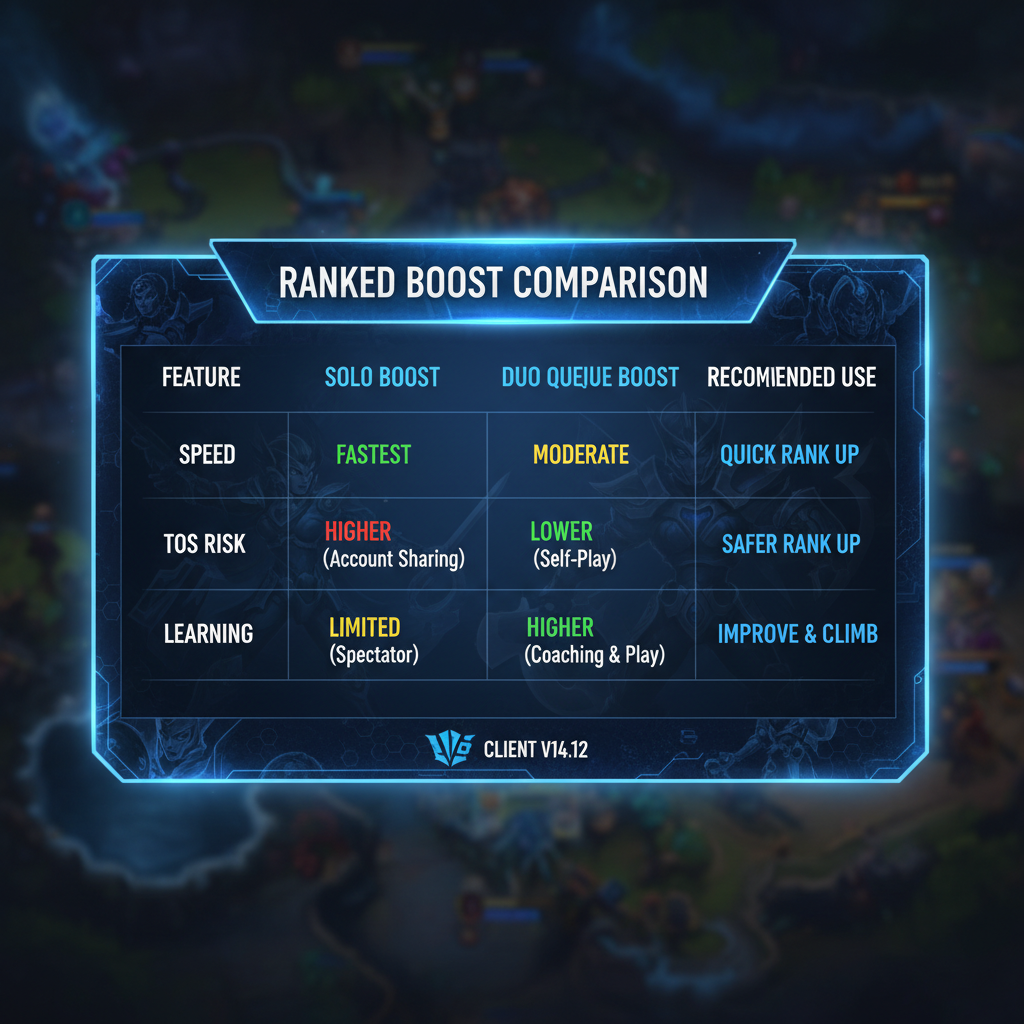
Riot’s official stance is clear. According to Riot Games Support’s MMR/Elo boosting article, any ranked game played by someone who isn’t the original account owner may count as boosting, with punishments from 14-day to 180-day suspensions on both the booster’s and the boostee’s account. That’s their published range, and I’ve seen it applied.
Account theft is the other nightmare. Players who share credentials with random Discord boosters sometimes never get the account back. Sold, rerolled, email changed. Not great.
Skill mismatch is the quiet one. Get pushed from Silver to Plat and the new lobbies will eat you. Your KDA tanks, you tilt, you ff at 15, the spiral starts. Honestly, I think the new Riot behavior model from late 2025 is flagging more pattern anomalies than last year’s manual review caught. Maybe I’m wrong about that. I’d still pick duo over solo every time this split.
Solo boost vs duo boost — which makes more sense?
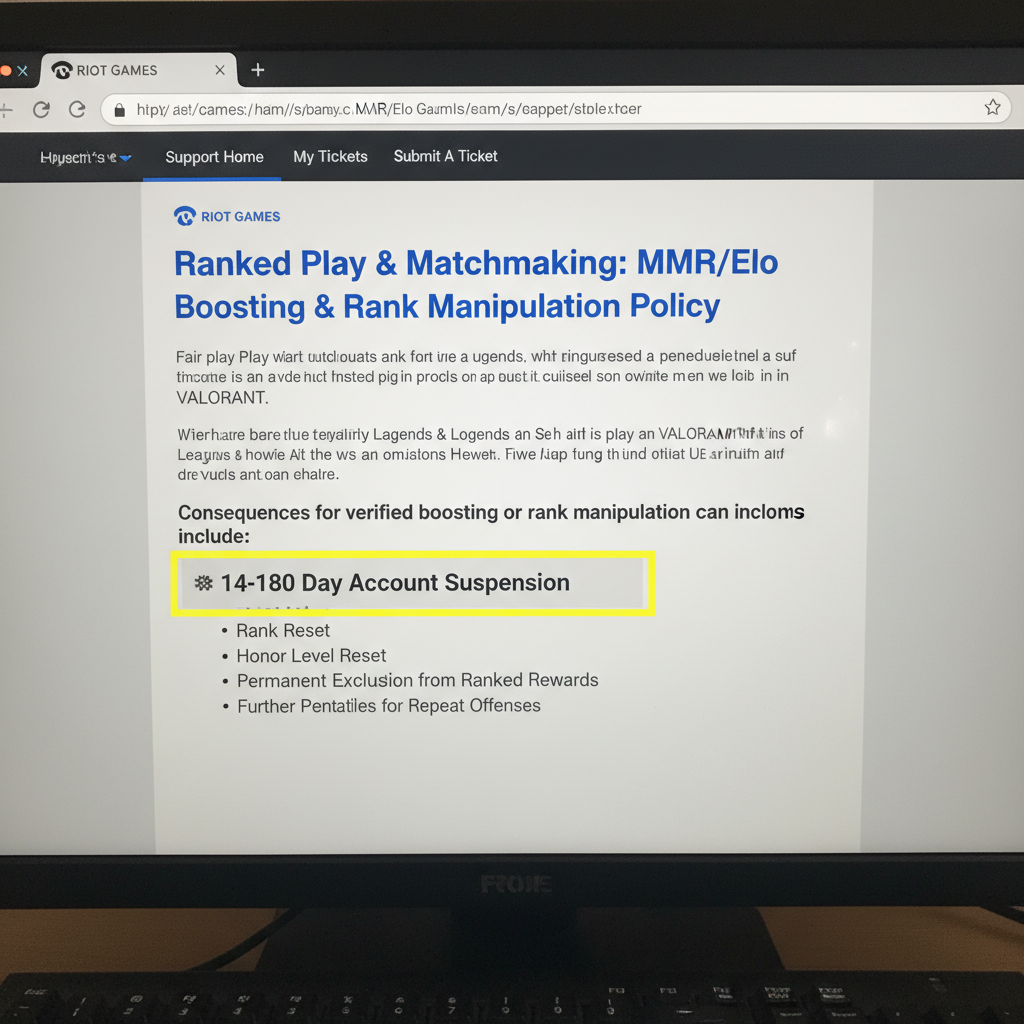
Duo, almost always. You keep your login, you watch the Challenger’s macro in real time, and detection is weaker because you’re actually there. The tradeoff is speed. A solo boost from Gold to Plat closes in a weekend. Duo queue doubles that timeline, sometimes triples it if you’re the one throwing.
If you want the rank without the grind, our LoL rank boosting service lists both solo and duo, with the duo tier priced higher because the booster plays fewer games per hour.
Who actually buys boosts (and who shouldn’t)
Two profiles buy well. Adults with jobs and kids who still want Victorious, and returning players coming back after a 2-3 year break with rusty mechanics but solid fundamentals. Both groups know what they’re paying for.
Two profiles shouldn’t bother. New players below level 30 who haven’t learned the champ pool yet, and hardstuck Iron-Silver players who think rank is the problem. If you’re hardstuck at low elo, you have a macro issue. No booster fixes that for you. Read how ranked works in LoL before you spend a cent.

The cost question, without the fluff
Pricing moves every patch, so any hard number goes stale fast. Rough ranges from what I’ve tracked across the big sites this quarter:
| Range | Solo boost | Duo boost |
|---|---|---|
| Iron → Bronze | ~$10-$15 | ~$15-$25 |
| Silver → Gold | ~$25-$50 | ~$45-$80 |
| Gold → Plat | ~$50-$90 | ~$90-$140 |
| Plat → Emerald | ~$100-$180 | ~$170-$280 |
Emerald-to-Diamond is where prices jump hard because booster supply shrinks. Above Diamond, you’re paying a Challenger hourly and the math gets silly.
FAQ
Q: Is buying an LoL elo boost bannable in 2026?
A: Yes. Riot’s rank manipulation policy applies to both parties, and Riot Support lists 14-180 day suspensions as the punishment range. Duo boosts are harder to detect than account-sharing but still violate ToS.
Q: How much does an elo boost cost from Bronze to Gold?
A: Roughly $25-$50 on most sites, depending on division, region, and solo vs duo. Patch meta and booster availability shift prices weekly, so a quote from a month ago may already be wrong.
Q: Will my MMR catch up after a boost?
A: If you’re boosted more than one tier above your actual skill, yes. I got boosted from Bronze 2 to Silver 4 once and landed back in Bronze inside a week of solo queue.
Q: Is duo boosting safer than account sharing?
A: Yes for security, since you never hand over login. It’s still against policy, but detection is weaker because the account holder is playing. Most coaches I know steer clients toward duo-only services.
Q: Can I get my rank back if I get banned for boosting?
A: Rarely. Riot treats confirmed boosting appeals harshly, especially on repeat offenses. If the booster used a flagged VPN, you can lose cosmetics and BE too, not just rank.
So the honest answer to why buy lol elo boost: time, rewards, or learning, and you pick the option that matches which one you actually want. Skip the boost entirely if your climb is a skill problem, because no Challenger in duo queue fixes macro gaps in three nights. If it’s a time problem, start with our LoL rank boosting page and pick duo over solo.