 League of Legends
Riot Vanguard has been living rent-free in the League community’s head since May 2024. Two years later, players are still asking: is Vanguard ruining LoL? Short answer: it depends on which side of the TPM 2.0 check you land on.
Last updated: April 14, 2026, patch 26.7
Is Vanguard Ruining LoL or Actually Fixing It?
Riot Vanguard isn’t ruining League of Legends for most players, but it’s created real problems for a vocal minority. Since its May 2024 rollout, Vanguard has banned over 175,000 cheaters and dropped the scripting rate below 1% in ranked. The tradeoff? TPM 2.0 requirements, random error codes, and Linux players getting completely shut out.
Here’s where I stand after grinding through two full years with this thing installed. I play around 15 ranked games a week, and I can tell you the difference is noticeable. Before Vanguard, I’d run into obvious scripters maybe once every 8 to 10 games in Plat. Now? I’ve seen maybe 3 suspicious players in the last 6 months. That tracks with Riot’s own retrospective data showing ranked games with scripters dropped to about 1 in 200.
But I also had my client completely refuse to launch twice in patch 26.4. Both times it threw a VAN 57 error and I had to restart my entire PC, miss a duo queue lobby, and watch my friend lose his promos with a random support. That kind of stuff sticks with you.

What Does Riot Vanguard Actually Do?
Vanguard is a kernel-level anti-cheat system. That means it runs at the deepest level of your operating system, right alongside your hardware drivers. It boots when your PC boots. Not when you open League. When you press the power button.
This is the part that makes people uncomfortable, and honestly, I get it. Kernel-level access means Vanguard can see everything your system is doing. Riot says it only looks for cheat signatures and doesn’t collect personal data, but the trust issue is real. You’re giving a game company the same system access as your antivirus software.
The Riot Vanguard FAQ on their support site explains that the system consists of a client that runs while League is active and a kernel mode driver that persists. You can disable it from the system tray icon, but then you’ll need a full reboot before League will launch again.
Worth it? For competitive integrity, probably. For my peace of mind about what’s running on my PC at 3am while I’m not even gaming? Less sure.
The Numbers Don’t Lie: Vanguard’s Anti-Cheat Results
Credit where it’s due. The stats are hard to argue with.
According to Riot’s official Vanguard retrospective, here’s what two years of kernel-level anti-cheat got them:
- 175,000+ accounts banned for cheating
- Scripting rate below 1% in ranked for the first time in nearly four years
- 35,000 scripters banned in under 48 hours during one post-break wave
- Botting hours crashed from over 1 million per day to under 5,000
- 3.5 million bot accounts cleaned up after launch
- Time-to-ban dropped from 45+ games to under 10
That last stat matters most if you actually care about how ranked works in LoL. A cheater used to ruin 45+ games before getting caught. Now they barely make it through 10. That’s dozens of players who don’t get their LP stolen by some kid running Xerath scripts.
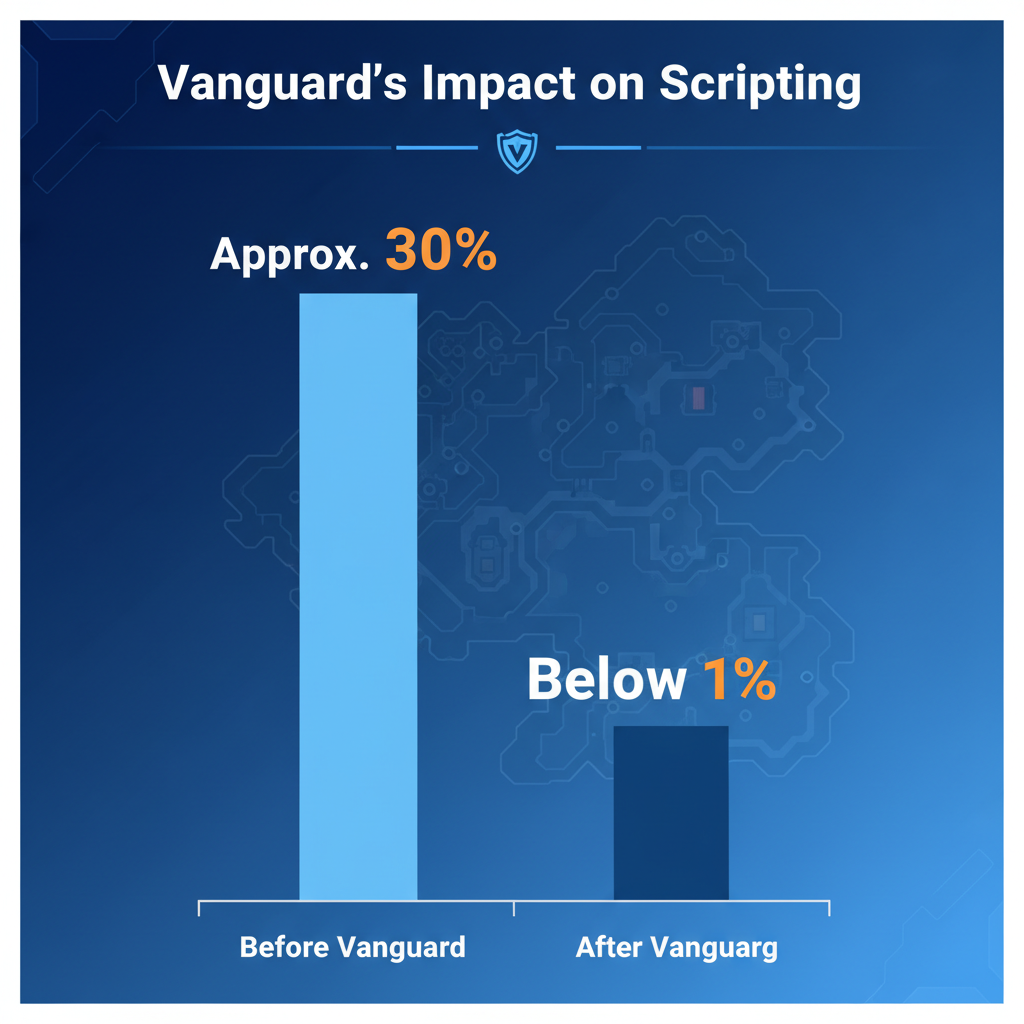
The false positive rate sits at sub 0.01%, meaning fewer than 1 in every 10,000 bans gets reversed. And when Riot does get it wrong, the average wrongful suspension lasts under 72 hours. Not perfect. But pretty tight for a system processing millions of games.
The Real Problems With Riot Vanguard
Now for the ugly part.
Error codes everywhere. VAN 57, VAN 84, VAN 1067, VAN 135. These aren’t just numbers. They’re the reason your buddy missed clash night. The most common one, VAN 57, can pop up randomly mid-session and kick you out of a game. You get a leaver penalty. Your team gets a 4v5. Nobody’s happy.
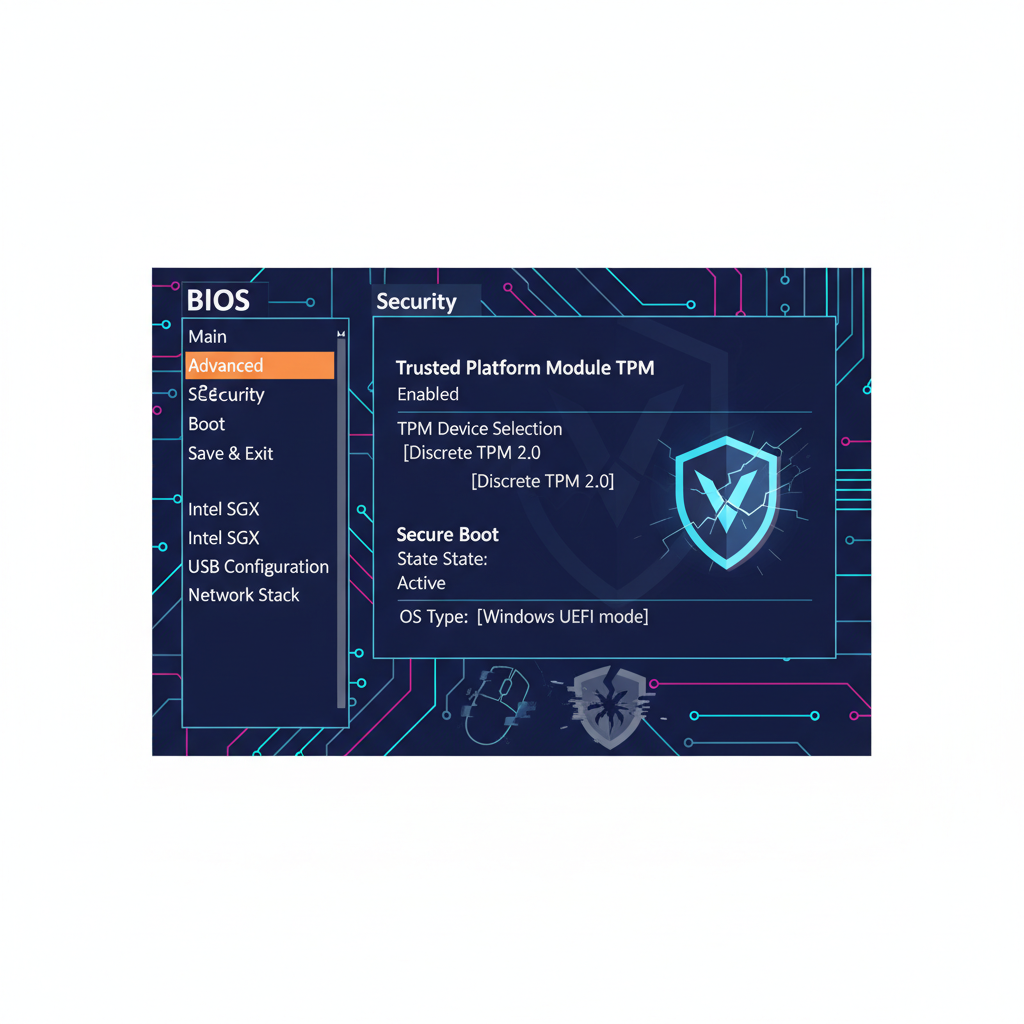
TPM 2.0 and Secure Boot requirements. On Windows 11, Vanguard demands TPM 2.0 enabled in your BIOS. This isn’t something most players even know exists. According to Tom’s Hardware’s reporting, the TPM requirement especially frustrated players who’d already been through the Windows 11 upgrade headache. Older motherboards without TPM 2.0 support are just out of luck.
Linux players got dropped. Riot’s own numbers showed about 800 players using League through Lutris before Vanguard launched. That’s a small group, sure. But telling those players “this game you’ve played for years no longer works on your OS” with zero alternative is rough.
The “bricking” controversy. Streamer LS publicly said both his computers broke after Vanguard’s installation, claiming he fixed one by removing the CMOS battery. PC Gamer reported that Riot’s response was clear: “We have not confirmed any instance of Vanguard bricking anyone’s hardware.” They did acknowledge that certain BIOS configurations were causing problems for some players, though.
My take? I think the hardware bricking claims were overblown, but the error code situation is still genuinely bad. Two years in and players are still Googling “VAN 57 fix” every patch. That’s not acceptable for a game this big.
Should You Be Worried About Vanguard in 2026?
If you’re running a modern Windows 10 or 11 PC built in the last 5 or 6 years, you’ll probably never notice Vanguard. It sits in the background, eats minimal resources, and does its job. I’ve been running it since launch and my system performance hasn’t changed in any measurable way (and I’m the kind of person who watches Task Manager like it’s a stream).
If you’re on older hardware, a custom Linux build, or you just don’t want kernel-level software running 24/7 on your machine, it’s a real problem with no real workaround. You either accept it or you stop playing League. Riot hasn’t budged on this in two years and I don’t think they will.
For the competitive grinders out there, Vanguard is honestly a net positive. Fewer scripters, fewer bots, faster bans. If you’re pushing ranked (or considering LoL rank boosting to skip the grind), the ladder is cleaner than it’s been since maybe Season 8.
I think Riot will keep tightening the screws. Their retrospective mentioned boosting detection rolling out, and the anti-smurf measures keep getting stricter. If you need a fresh LoL smurf account for a second role or lower-rank duo, get one sooner rather than later (not sarcasm, the window is closing).
FAQ
Does Vanguard run all the time on my PC?
Yes. Riot Vanguard’s kernel-level driver starts when your PC boots and runs in the background until you shut down. You can disable it from the system tray, but you’ll need to restart your computer before you can play League again.
Can I play League of Legends on Linux with Vanguard?
Not officially. Riot’s own data showed roughly 800 players using League through Lutris before Vanguard launched. The kernel-level driver doesn’t support Linux, and there’s no announced timeline for changing that.
Does Vanguard require TPM 2.0?
On Windows 11, yes. You’ll need TPM 2.0 enabled in your BIOS. Windows 10 users don’t need TPM 2.0, but Secure Boot is still required on Windows 11 devices. If you’re getting VAN9001 errors, check your BIOS settings first.
Has Vanguard actually reduced cheating in LoL?
According to Riot’s official retrospective, over 175,000 accounts have been banned since launch. The scripting rate in ranked dropped below 1% for the first time in nearly four years, and botting hours fell from over a million per day to under 5,000.
Can Vanguard brick my PC?
Riot has stated they’ve not confirmed any instance of Vanguard bricking hardware. Some players reported issues after installation, but these were typically related to BIOS settings or driver conflicts rather than permanent damage.
Vanguard isn’t going anywhere. Two years of data show it’s doing what Riot designed it to do, and the cheating stats back that up. The cost is real, though, especially if you’re someone whose hardware or OS got left behind. If you’re still playing League in 2026, you’ve already made your peace with it. And if the cleaner ranked experience matters to you, check out Playplex’s LoL boosting services to make the most of a ladder that’s finally worth climbing.