 Counter-Strike 2
The CS2 premier ranking system replaced CS:GO’s old hidden-Elo guesswork with a visible number that moves after every match. If you’ve been grinding Premier and can’t figure out why your rating tanks after three losses in a row, this guide breaks down exactly how the system works in Season 4.
Last updated: April 14, 2026 (April 2, 2026 update / Animgraph 2 patch)
How does the CS2 Premier ranking system work?
CS2 Premier assigns you a numerical CS Rating after you win 10 placement matches. That rating starts at 1,000 and can climb past 30,000 for the best players on earth. Every win pushes the number up, every loss drags it down, and the amount gained or lost depends on your opponents’ ratings and your own win/loss streak. The system is color-coded into seven tiers.
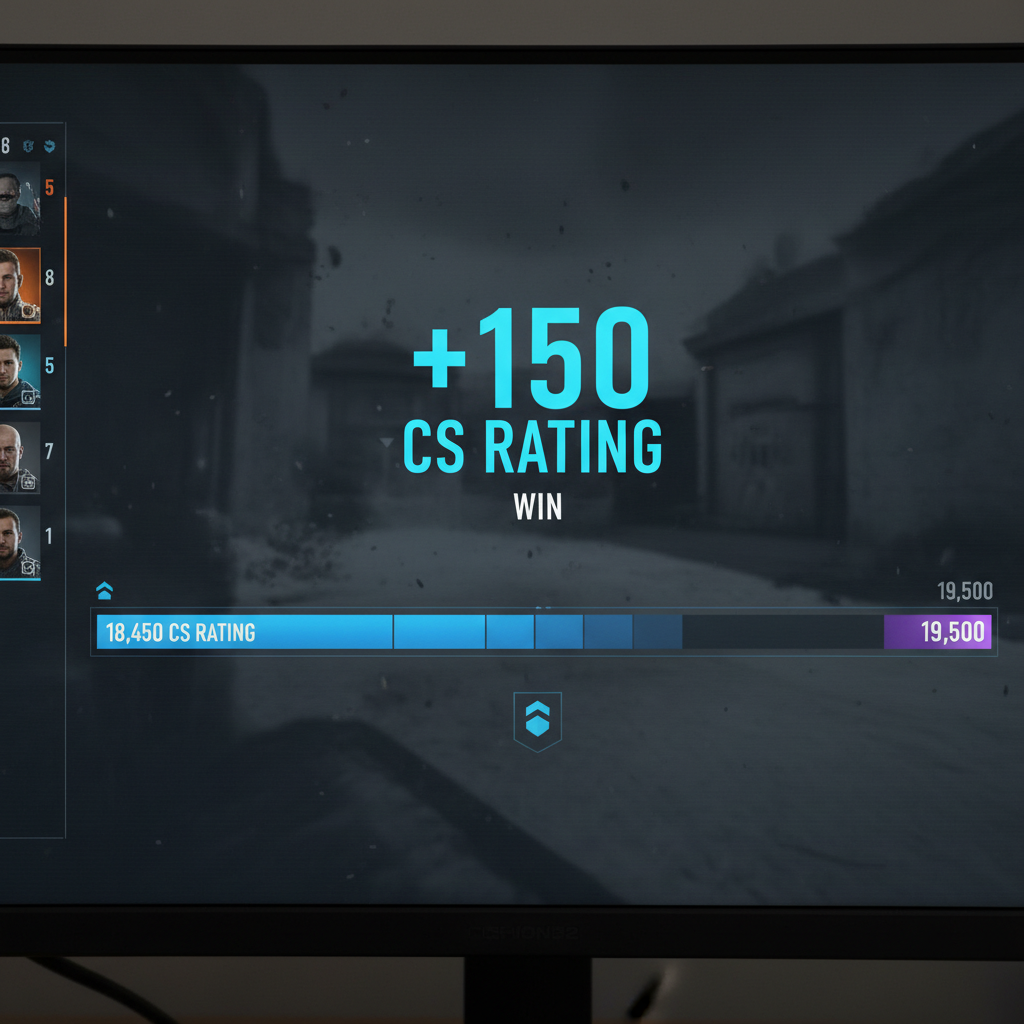
The rating moves every single game. No more wondering if you ranked up or not. You finish a match, the screen shows you +130 or -90, and you know exactly where you stand. I played 47 Premier matches in the first two weeks of Season 4 and tracked every change in a spreadsheet (because I’m that guy). The average swing was about 120 points per game, but loss streaks hit different.
Here’s the thing about streaks that most guides skip: the system punishes consecutive losses hard. Your first loss might cost you around 100 points. Totally fine. But after your third or fourth loss in a row, you can drop over 500 points on a single game, according to Dexerto. I’ve felt this firsthand. I went from 14,200 to 12,800 in one ugly evening of solo queue. Six games. Gone.
Win streaks work the same way in reverse, amplifying your gains the longer you keep winning.
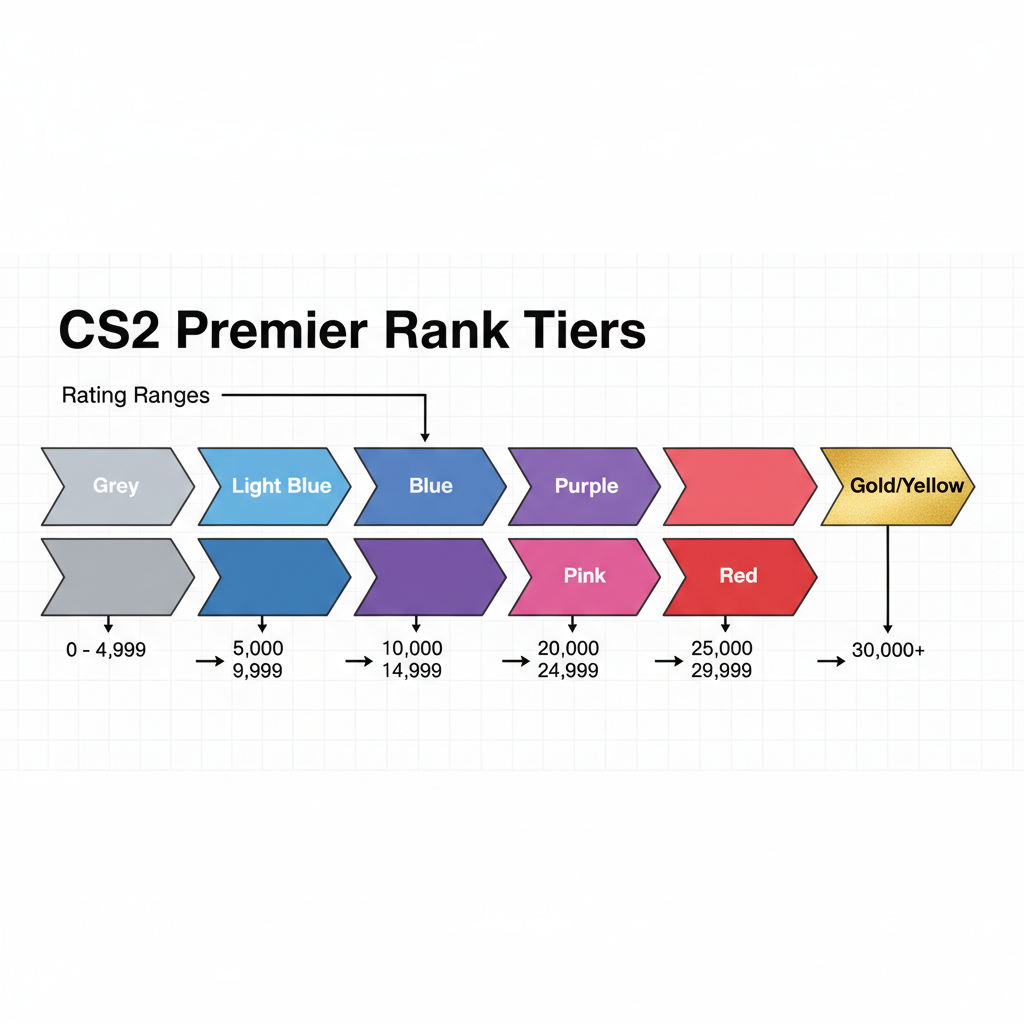
What are the 7 CS2 Premier rank color tiers?
Each color tier spans 5,000 rating points. Here’s the full breakdown:
| Color | Rating Range | Old CS:GO Equivalent |
|---|---|---|
| Grey | 0 – 4,999 | Silver I to Silver Elite Master |
| Light Blue | 5,000 – 9,999 | Gold Nova I to Gold Nova Master |
| Blue | 10,000 – 14,999 | Master Guardian to MG Elite |
| Purple | 15,000 – 19,999 | DMG to Legendary Eagle Master |
| Pink | 20,000 – 24,999 | Supreme Master First Class |
| Red | 25,000 – 29,999 | Global Elite |
| Gold/Yellow | 30,000+ | Top of the food chain |
Promotion and relegation matches trigger at every color boundary. So when you’re sitting at 14,850 and win, you’ll get a special promotion match into Purple. Lose that specific game, and you stay Blue. It adds genuine stakes to those threshold matches.
The rank distribution is top-heavy in a bad way (for egos, at least). The average Premier rating hovers around 8,900, which is mid Light Blue. If you’re above 10,000, you’re in the upper half. Less than 2% of players sit at 20,000 or higher, and according to TotalCSGO, only about 10 to 15 players worldwide hold a 30,000+ rating at any given time.
So if you’re hardstuck in Blue? You’re not bad. You’re literally above average.
How does map selection work in Premier?
Premier doesn’t let you pick your favorite map and grind it forever. That’s what Competitive mode is for.
Instead, both teams go through a pick-ban phase on the Active Duty map pool before the match starts. You ban maps you don’t want, your opponents do the same, and you play whatever’s left. This means you can’t one-trick Dust2 and call yourself good. You need at least baseline competence on every map in the pool.
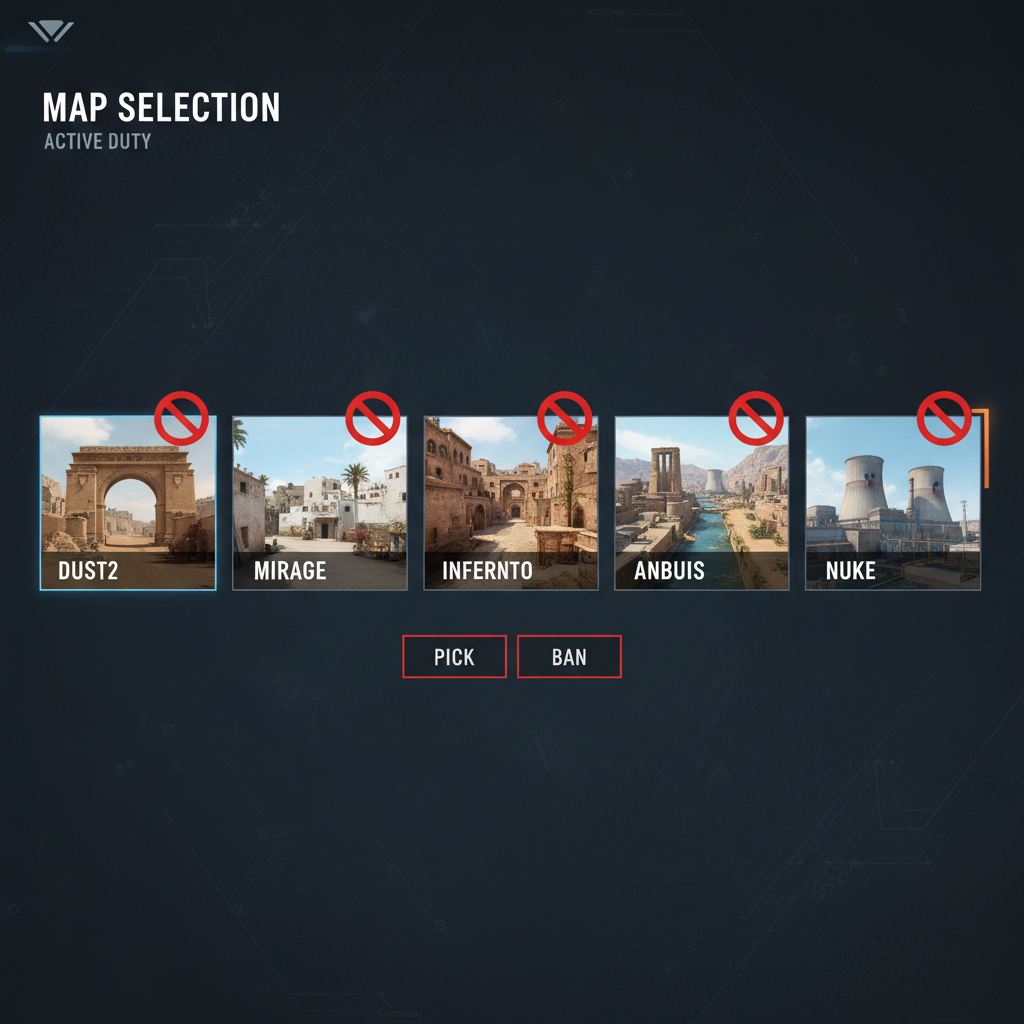
Season 4’s Active Duty pool brought Anubis back and removed Train. The new map Thera was added to the competitive pool in the April 2, 2026 update, set in a Mediterranean coastal town with heavy emphasis on mid control. I’ve played Thera about 15 times now, and honestly, CT side feels overtuned. I think Valve will adjust the B site angles within a couple patches (and I’m willing to be wrong about that publicly).
The four-stack ban is worth mentioning too. Valve doesn’t allow parties of exactly four in Premier. You can queue solo, duo, trio, or full five-stack. The reasoning, as PCGamesN explains, is that the random fifth player in a 4-stack has too little agency over the match outcome.
CS2 Premier Season 4: what changed?
Season 4 launched on January 21, 2026 and runs through approximately July 20, 2026, lined up with the Cologne Major. Every season brings a soft rating reset. Your old rating serves as a starting point, but you play 10 fresh placement matches to recalibrate.
The soft reset is designed to tighten skill gaps and redistribute players more accurately. If you were boosted or got carried in Season 3, you’ll likely land lower. If you improved, you’ll climb faster than expected during placements.
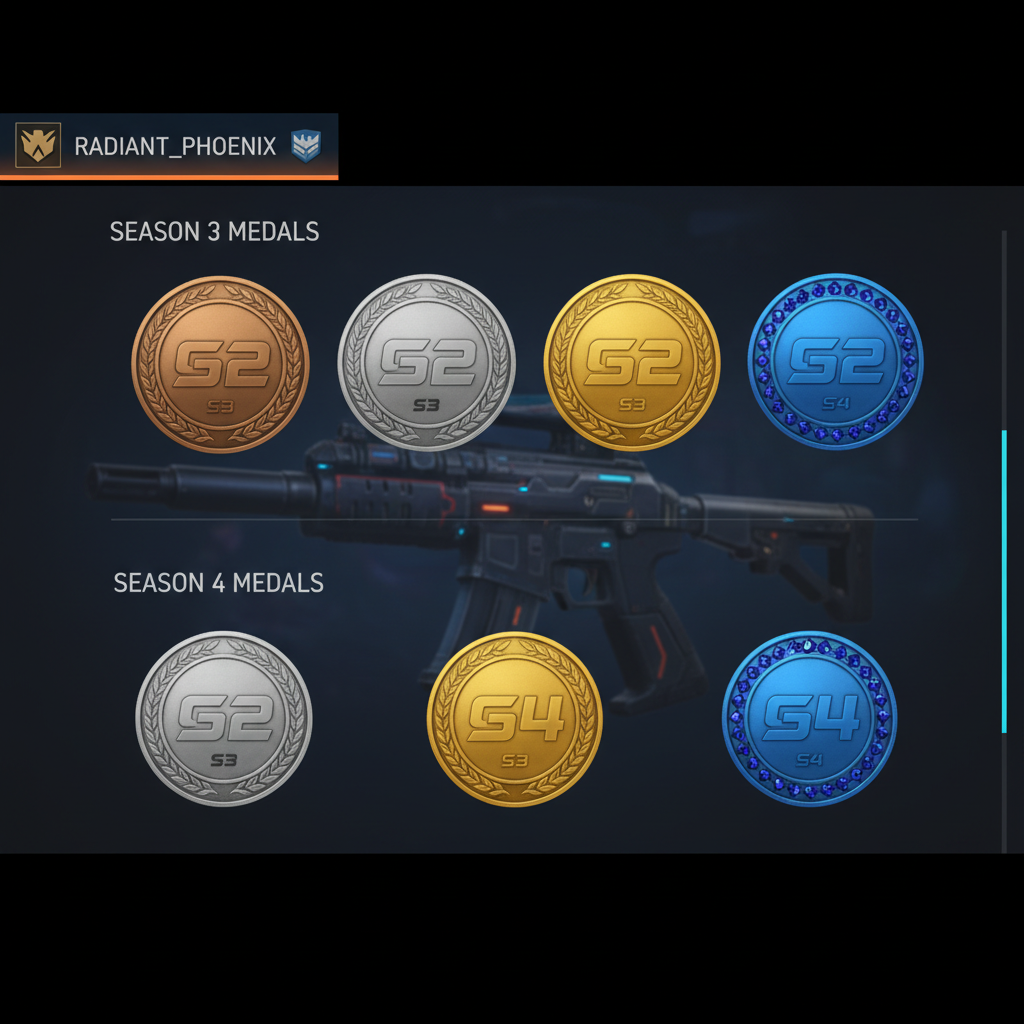
To earn a seasonal medal, you need at least 25 Premier wins and an active CS Rating when the season ends. The medal color reflects your highest achieved tier during that season. Not your ending tier. Your peak. So even if you tilt down from Purple to Blue in the last week, your medal stays Purple.
Tips for climbing your CS2 Premier rating
Stop playing after two consecutive losses. The streak multiplier makes this non-negotiable. Two losses cost you maybe 250 points. Four losses can cost 1,200+. Walk away. Play deathmatch. Touch grass.
Learn your weakest Active Duty map. You don’t need to be great on every map. You need to not be terrible. If Anubis is your permaban and it slips through, you shouldn’t be playing like it’s your first time loading in.
Duo or trio queue if possible. Solo is fine, and five-stacks face other five-stacks (which gets sweaty fast). Two or three players who can actually communicate on key positions will carry you through Blue into Purple.
If climbing feels too slow or you’re stuck in the wrong color tier after placements, a CS2 Premier boost can get your rating where it belongs so you’re playing against players at your actual skill level.
Leaderboards and bragging rights
Premier features three leaderboard categories: friends, regional, and global. Each shows your rating, total wins, win rate, and percentile ranking.
To qualify for the regional leaderboard, you need Prime Status and a rating in the top 1,000 of your region. You’ll also lock in a permanent display name for the season. Choose wisely (or don’t, and go with something you’ll regret by March).
The leaderboard system is honestly one of the best things about Premier. It gives your rating context. A number alone means nothing until you can see that you’re top 4% in Europe or that your buddy who talks too much is somehow ranked higher than you.
For a deeper breakdown of rating strategies and tier-specific advice, check out our full CS2 Premier ranking guide.
FAQ
How many placement matches do I need for CS2 Premier?
You need to win 10 matches in Premier mode to receive your initial CS Rating. These games calibrate your skill level against other players, and performance in them heavily influences your starting rating. Don’t treat them like casual warmups.
What is a good CS2 Premier rating?
The average sits around 8,900 in Light Blue. Anything above 10,000 puts you in the top half. If you’re at 15,000+ in Purple, you’re well ahead of most players, and 20,000+ means you’re in the top 2%.
Does CS2 Premier rating reset every season?
Yes, a soft reset happens each season. Your previous rating is used as a baseline, but you’ll replay 10 placement matches to recalibrate. Strong Season 3 players won’t drop dramatically, but inconsistent ones will feel the correction.
Can I queue as a 4-stack in CS2 Premier?
No. Valve specifically banned 4-player parties because the solo fifth player ends up with too little influence over the match. You can queue solo, duo, trio, or as a full 5-stack.
How do I get on the CS2 Premier leaderboard?
You need Prime Status and a rating in the top 1,000 for your region. The board tracks your overall rating, wins, win rate, and percentile. You pick a permanent display name when you first qualify, so don’t rush that decision.
The CS2 premier ranking system isn’t perfect, but it’s miles ahead of the old hidden-Elo mystery box from CS:GO. If you’re grinding Season 4 and want to skip the painful part of climbing through a color tier you’ve already outgrown, boosting your Premier rating is the fastest way to play where you belong.