 League of Legends
Last updated: April 14, 2026, patch 26.7
L9 means “Low Nine,” and it refers to a small group of EUW Challenger players who became the most infamous club in League of Legends history. If you’ve seen the L9 tag in your solo queue games, here’s what it actually means and why it still matters.
What Does L9 Mean in League of Legends?
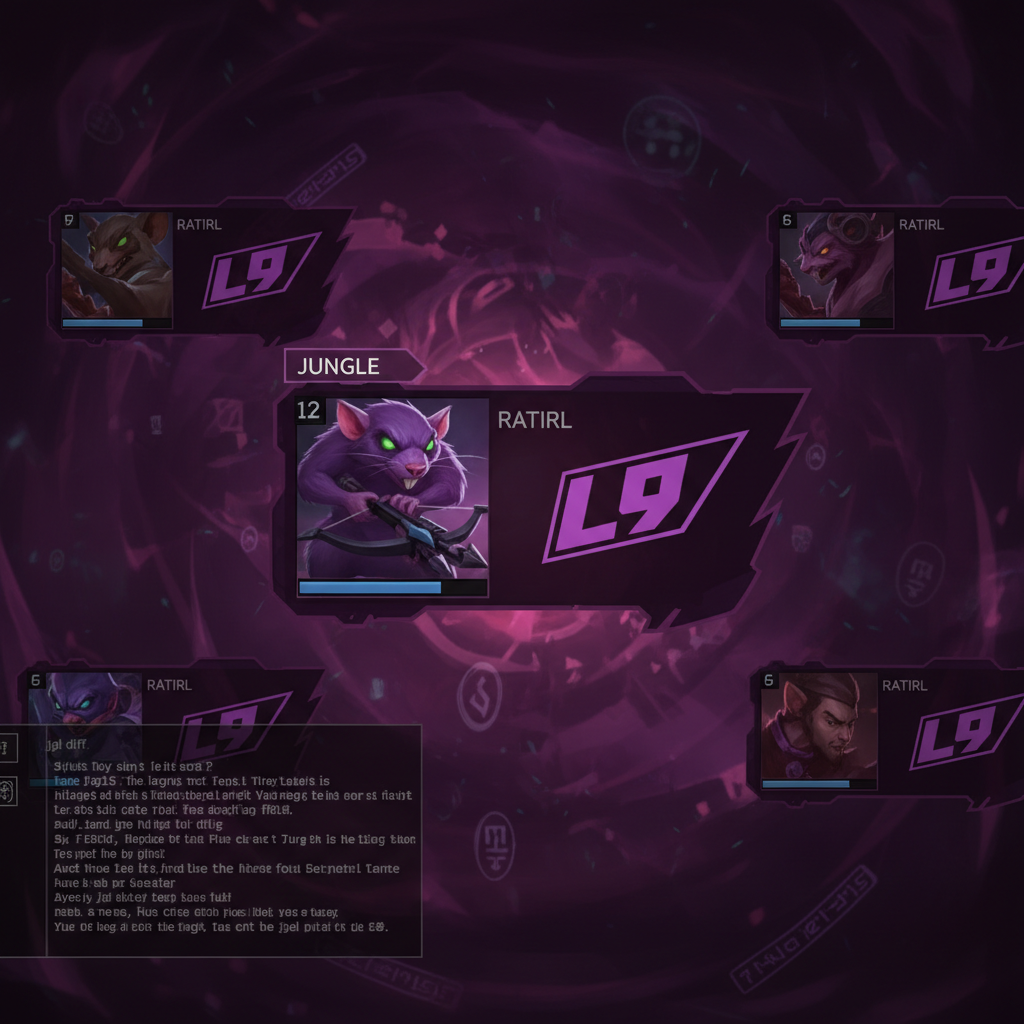
L9, short for Low Nine, was a notorious group of high-elo EUW players who combined Challenger-level mechanical skill with deliberate, extreme toxicity. The group was co-founded by RATIRL and 0bsess, and their core roster included Ap0calypse and Selfmade. The name was inspired by the streamer Hail9, not by the number of members.
The l9 meaning has shifted over the years. Back when the group was active, seeing the L9 club tag in your lobby meant you were about to deal with someone who could hard carry or completely ruin your game. There was no in-between. Now it’s mostly used by random solo queue players who slap the tag on for clout.
I ran into three different “L9” tagged accounts last month in my Platinum games on EUW. None of them were original members. One went 2/11 on Yasuo and typed “L9 diff” in all chat before going AFK at 12 minutes. The real L9 would’ve at least carried while flaming you.
Who Started L9 and When Did It Begin?
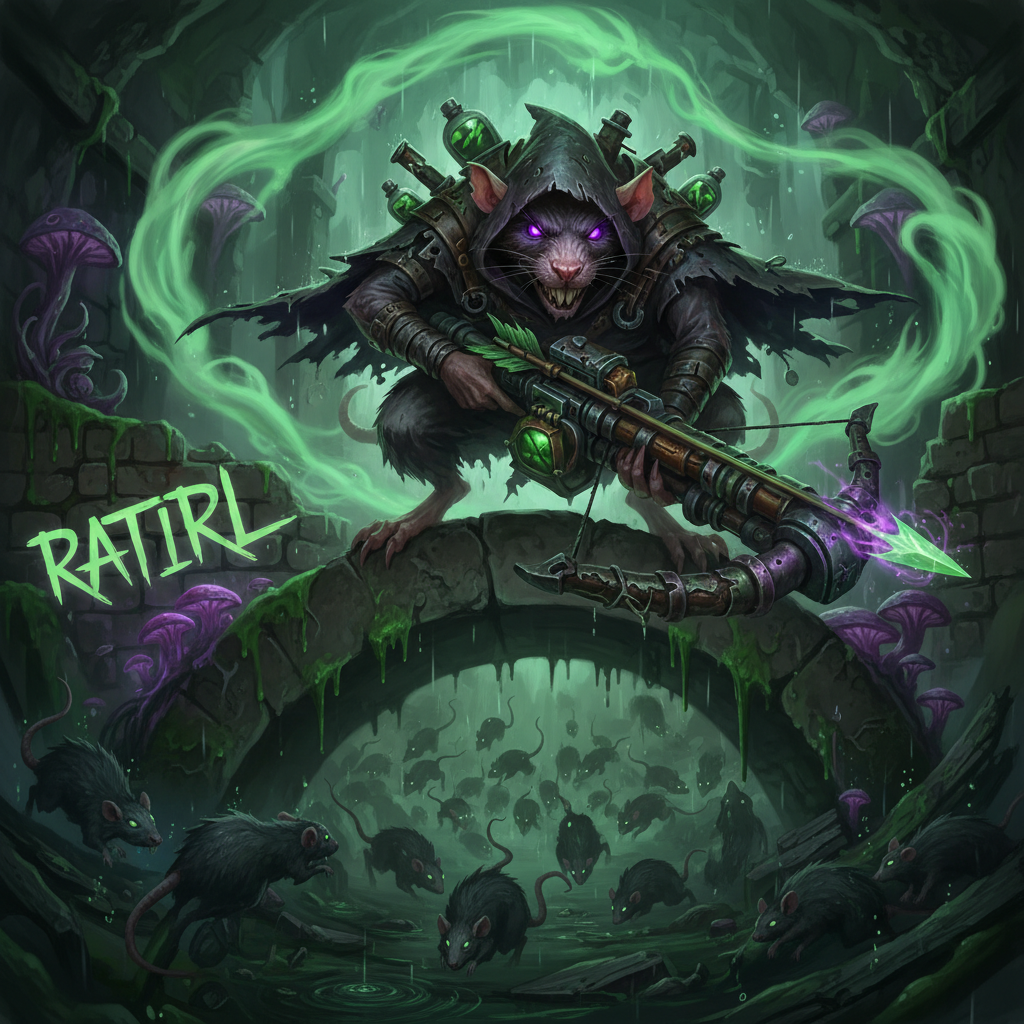
L9 emerged around 2015-2016 on the EU West server. Two Challenger players, RATIRL and 0bsess, created the group to build a reputation on social media (mainly Twitter) and dominate EUW solo queue. They weren’t trying to go pro. They wanted to be famous for being the best and the worst at the same time.
RATIRL, whose real name is Anton from Örebro, Sweden, became the public face of the group. His Twitch (the champion, not the platform) gameplay was absurd. The guy hit Challenger on the NA server playing with around 150 ms ping. That’s not normal. Ap0calypse and Selfmade rounded out the core four shortly after the group formed.
If you’re still figuring out how ranked works in LoL, just know that Challenger is the top roughly 300 players on a server. These guys lived there.
What Did L9 Actually Do?
The short answer: they won games while being as toxic as possible.
L9 members were known for:
- Running it down (intentionally dying) if they got tilted or didn’t get their role
- Flaming in chat with racist and threatening language, especially Ap0calypse
- Spamming question mark pings on teammates who made mistakes
- Elo boosting accounts for money between their solo queue sessions
- Selling L9 club tag spots, which led to dozens of fake L9 clubs across EUW
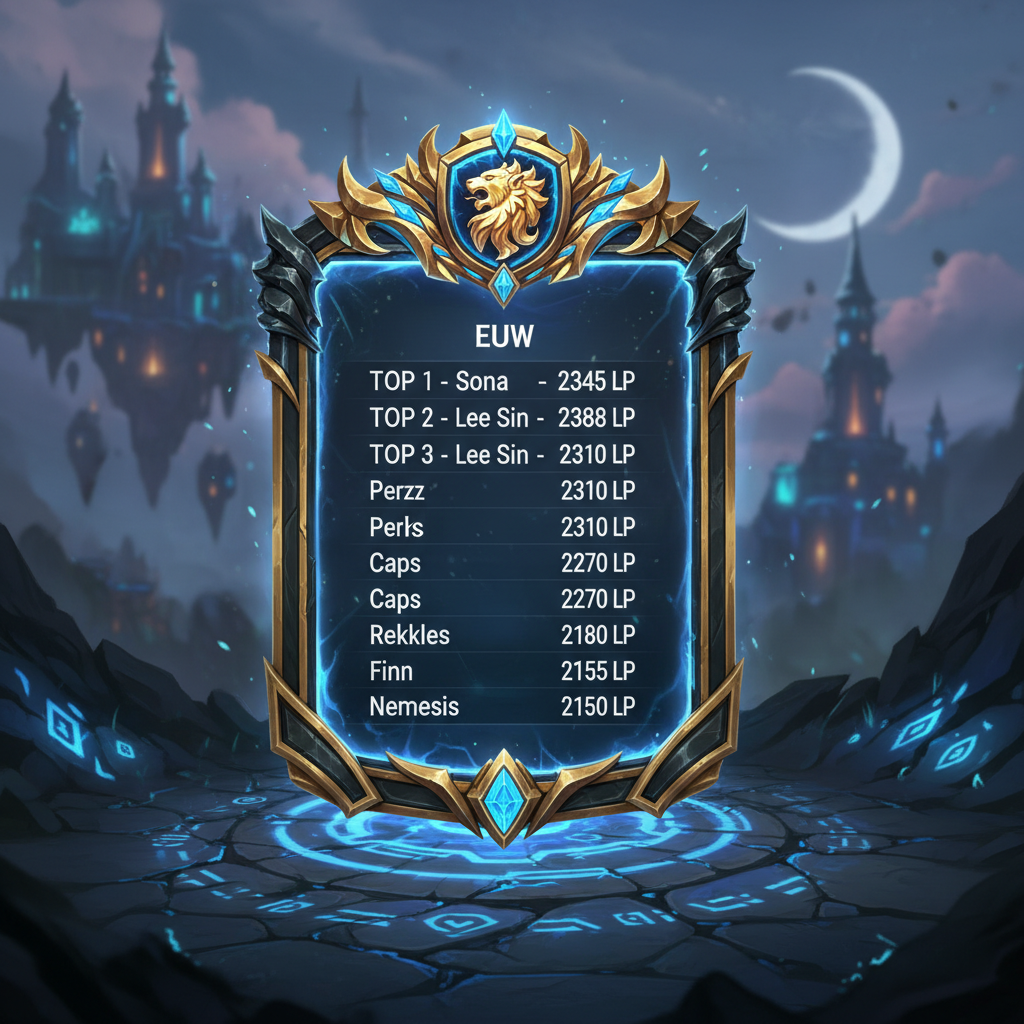
The thing that made L9 different from your average toxic player is that they were genuinely incredible at the game. Ap0calypse held the #1 Challenger spot on EUW for 3 months during Season 10, and he did it playing Janna support on an account literally named “HAHHAHAHAHAHXDDD.” You can’t make this up.
I think Riot’s slow response to L9 taught them a lesson about how they handle high-profile toxic players. The permabans came eventually, but it took way too long. They should’ve cracked down in 2017 instead of letting the group become a meme first.
Is L9 Banned? What Happened to the Members?
Multiple L9 members received permanent bans from Riot Games. Ap0calypse got hit the hardest. Riot accused him of account purchasing on top of the toxicity charges, and he eventually got hardware banned, meaning Riot blocked his actual PC from creating new accounts. According to reporting from 1v9.gg, Ap0calypse also directed a suicide threat at well-known League coach LS, which was one of the most documented incidents.
Here’s where each core member ended up:
RATIRL reformed. Seriously. He went from one of the most toxic players in EUW history to a full-time Twitch streamer with over 500,000 followers. He still doesn’t use a facecam most of the time, and his first face reveal happened through a stream with IWillDominate. He rarely engages in toxic behavior anymore.
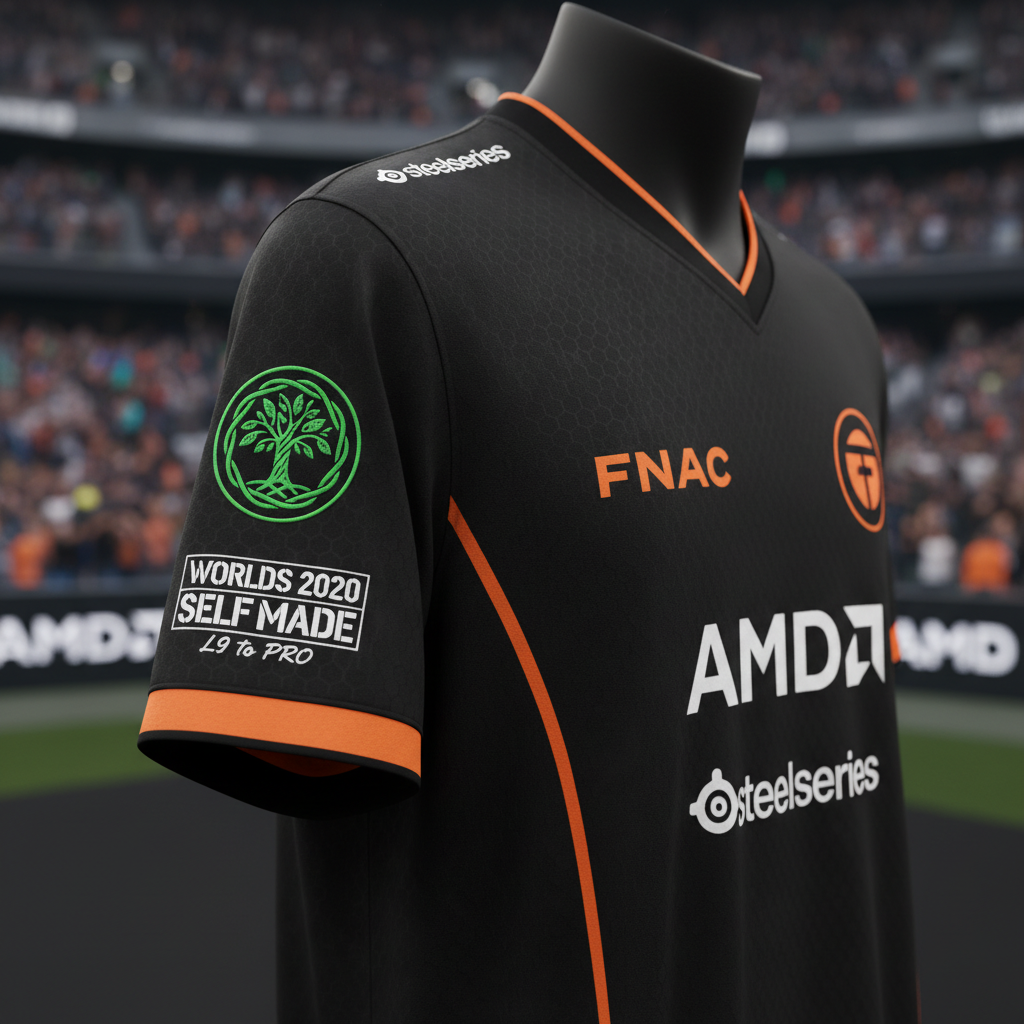
Selfmade (Oskar Boderek) went fully pro. He played jungle for SK Gaming, then Fnatic, leading them to the 2020 World Championship quarterfinals. He was known for unconventional picks like Zed jungle. He later played for Team Vitality and Crvena zvezda Esports, though as of early 2026, he doesn’t appear to be on an active roster.
0bsess tried the pro route too. He bounced between teams like Movistar Riders, Misfits Gaming, GamersOrigin, and mousesports, but never cracked the LEC despite being a consistent Challenger jungler.
Ap0calypse disappeared. After repeated permabans and the hardware ban, he went quiet. He rarely streams and never pursued a professional career.
There’s also Pornstar Zilean (PSZ), who was closely associated with L9. He was known for playing Nunu and running it down mid, and collected permabans like trading cards.
Why Do People Still Use the L9 Tag in 2026?
Because it became a meme. That’s it.
The original members sold club tag spots for money, which created a wave of copycat L9 clubs across EUW. Eventually the tag became shorthand for “I’m going to play aggressively and I don’t care about my teammates.” It lost all connection to the actual group years ago.
If you see an L9 tag in your ranked game today, it’s almost certainly not an original member. The real ones are either streaming, playing pro, or gone from the game entirely. My duo and I went from Gold 3 to Plat 1 last split, and we saw the L9 tag at least once every 8-10 games. Not one of them played like a Challenger smurf.
If you’re climbing ranked and want a clean start without the baggage of a hardstuck account, grabbing a fresh LoL smurf account can reset your MMR and give you a fair shot at placing higher.
L9’s Real Legacy in League Culture
Love them or hate them, L9 changed how the LoL community talks about toxicity and skill. They proved you could be the best player in your game and still be the biggest problem in it. Riot’s hardware ban system, which now catches repeat offenders way faster, exists partly because of players like Ap0calypse who would get permabanned and climb back to Challenger on a new account within weeks.
The group also showed there’s a pipeline from solo queue notoriety to actual careers. RATIRL built a streaming brand from infamy. Selfmade went to Worlds. Even 0bsess got signed to multiple ERL teams. Whether that pipeline should exist is debatable, but it does.
For players who want to climb without the toxicity, LoL rank boosting services exist specifically to skip the grind without the mental damage of 200 solo queue coin-flips.
FAQ
What does L9 stand for in League of Legends?
L9 stands for “Low Nine.” The name came from the streamer Hail9, not from having nine members. The group only ever had four core players: RATIRL, 0bsess, Ap0calypse, and Selfmade.
Who started the L9 group?
RATIRL and 0bsess co-founded L9 around 2015-2016 on the EUW server. They built the group’s reputation through Twitter and by dominating high-elo solo queue while being extremely toxic in chat.
Is L9 banned in League of Legends?
The L9 club tag isn’t banned, but several original members received permanent account bans and hardware bans from Riot Games. Ap0calypse was the most heavily punished member, with Riot citing account purchasing and extreme toxicity.
Is Selfmade from L9?
Yes. Selfmade (Oskar Boderek) was one of L9’s four core members before transitioning to professional play. He played jungle for Fnatic at Worlds 2020, reaching quarterfinals, making him the most successful competitive player from the group.
Does L9 still exist in 2026?
The original group is effectively dead. Members don’t communicate much anymore, and each has gone their own way. RATIRL streams on Twitch, Selfmade stepped away from active pro play, and Ap0calypse vanished from the public scene. The L9 tag still circulates in solo queue, but it’s just players copying the name.